
Stories from freed Ukrainian POWs about abuse and torture in Russian prisons
Scott Pelley speaks with three Ukrainian soldiers, all women, who were captured by Russian forces. Their stories are disturbing.
Watch CBS News
Scott Pelley speaks with three Ukrainian soldiers, all women, who were captured by Russian forces. Their stories are disturbing.
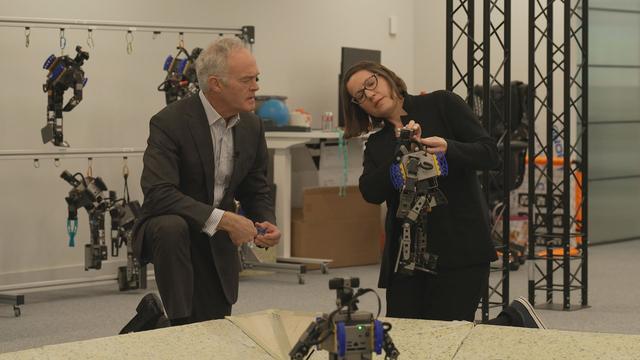
Competitive pressure among tech giants is propelling society into the future of artificial intelligence, ready or not. Scott Pelley dives into the world of AI with Google CEO Sundar Pichai
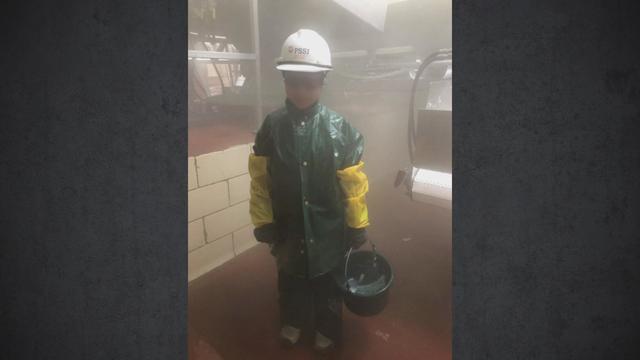
A slaughterhouse cleaning company hired 102 children in violation of the law to help sanitize dangerous equipment. Scott Pelley reports on how the hiring went wrong.
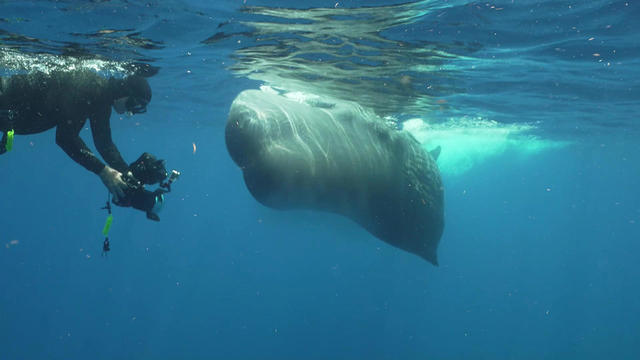
Award-winning journalist Cecilia Vega headed for the Caribbean island of Dominica for her first assignment as a 60 Minutes correspondent. Get a preview of her report on the effort to protect sperm whales.

In northwest Syria, earthquake survivors face a long journey to recovery. Scott Pelley headed to the war-torn country to speak with the people delivering humanitarian aid.
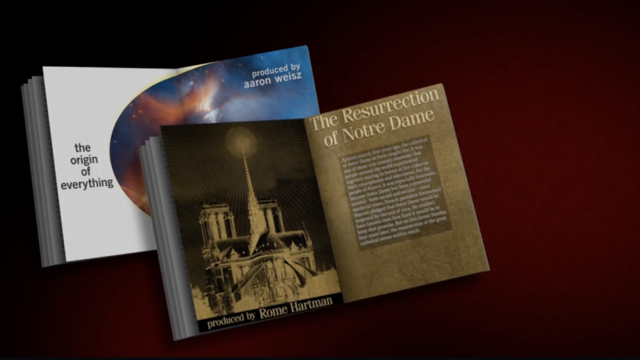
"They exemplify the best of our human species," one viewer wrote about last Sunday's episode on the Webb telescope. Another told us it was "disgusting" to discuss the Big Bang on Easter.
Competitive pressure among tech giants is propelling society into the future of artificial intelligence, ready or not. Scott Pelley dives into the world of AI with Google CEO Sundar Pichai

As NASA's Webb telescope scours the universe to find light from the first stars and galaxies, it is also capturing the universe like never before. Scott Pelley got an inside look at Webb's new discoveries.
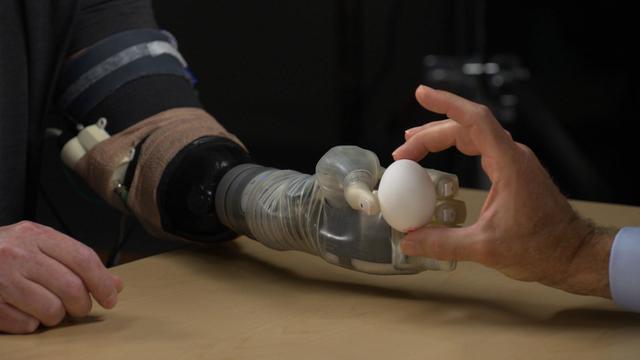
Technological advances in prosthetic limbs are returning a sense of touch to amputees. Scott Pelley reports on the breakthrough technology.
Scott Pelley speaks with three Ukrainian soldiers, all women, who were captured by Russian forces. Their stories are disturbing.

Scott Pelley reports from Ukraine, where he met a resilient and defiant population undeterred by Russia's attacks
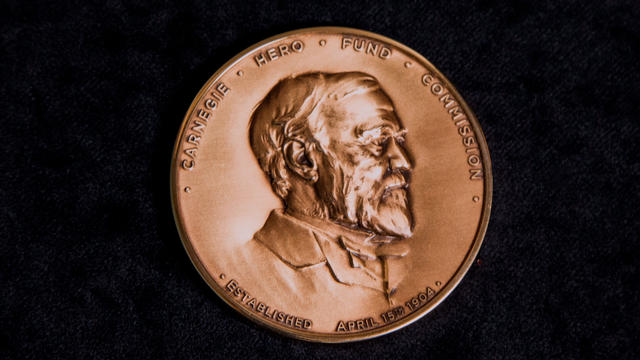
Scott Pelley meets with Carnegie Hero Fund awardees and reports on a possible difference in brain make-up for those who commit heroic acts.

On December 5th, scientists at the National Ignition Facility reached a breakthrough in nuclear fusion by producing a reaction with an energy gain. It could be a step toward a world in the distant future where fusion is a source of power.

Leading biologist tells Scott Pelley humans would need "five more Earths" to maintain our current way of life.
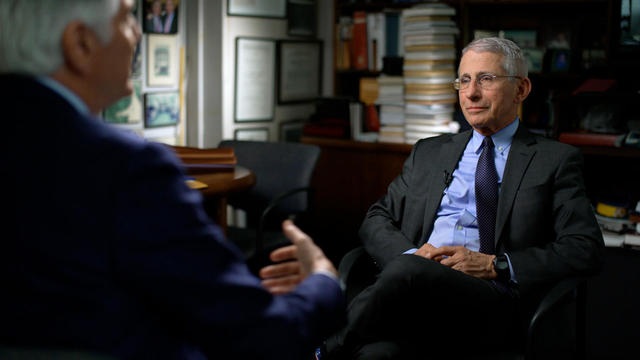
Dr. Fauci spoke directly, in a language the average American could understand. And he wasn't afraid of a little controversy in the service of science and medicine.