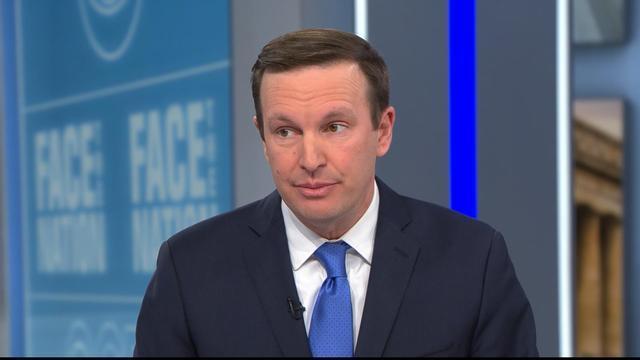
Murphy: Soleimani killing puts U.S. “on a course” for war with Iran
The Connecticut Democrat says it's "incumbent" on the White House to present evidence on the imminent threat that led to Soleimani's death.
Watch CBS News
The Connecticut Democrat says it's "incumbent" on the White House to present evidence on the imminent threat that led to Soleimani's death.
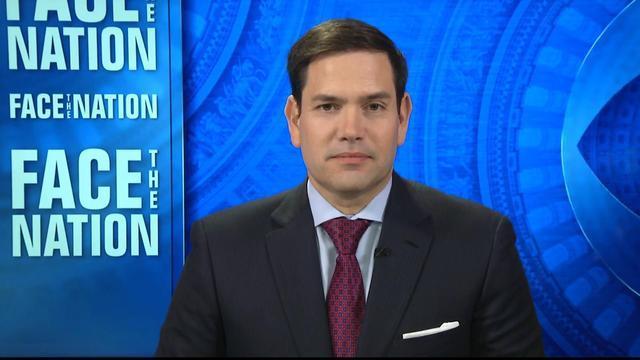
The Republican senator from Florida says President Trump was "obligated" to act against an "imminent threat" against the U.S.
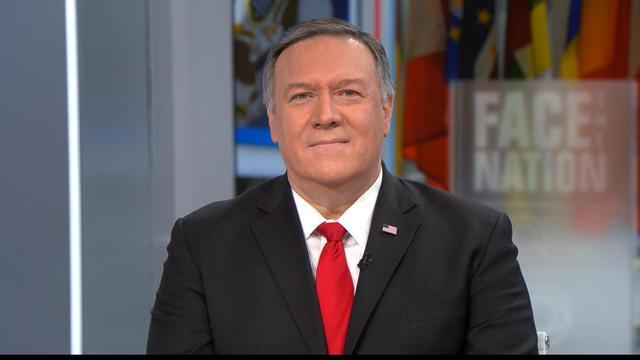
The secretary of state said the administration made the "right decision" to eliminate an apparent threat posed by Iranian military leader Qassem Soleimani.
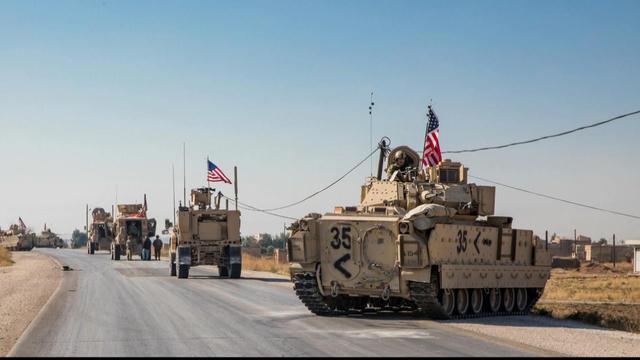
CBS News' Holly Williams and David Martin break down the latest developments overseas amid escalating tensions with Iran.
Today on "Face the Nation, tensions are at an all-time high between the U.S. and Iran in the wake of President Trump's order to carry out an airstrike that killed the regime's top military leader.
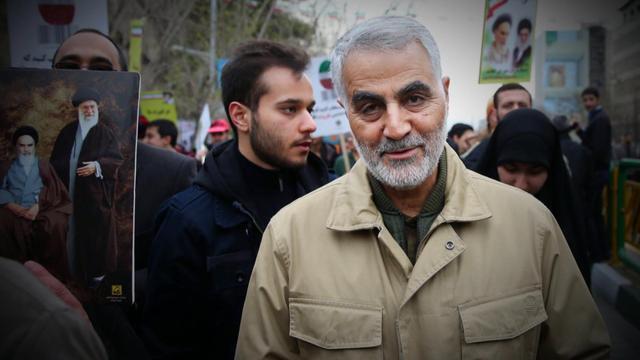
The death of Iranian General Qassem Soleimani from an American airstrike seems only to have increased the likelihood of attacks, as both Iran and the militias it supports vow revenge. CBS News national security correspondent David Martin is watching developments from the Pentagon, while correspondent Seth Doane follows the story from Tel Aviv in Israel.
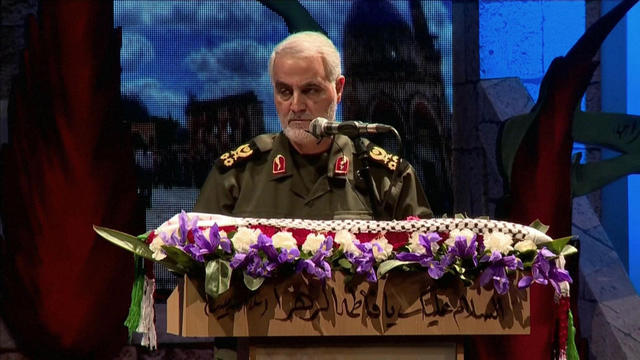
The body of the leader of Iran's Quds Force, General Qassem Soleimani, was returned following his assassination by an American airstrike in Baghdad, an act one Middle East expert calls a declaration of war by the Trump administration against Iran. Holly Williams reports from Northern Iraq.
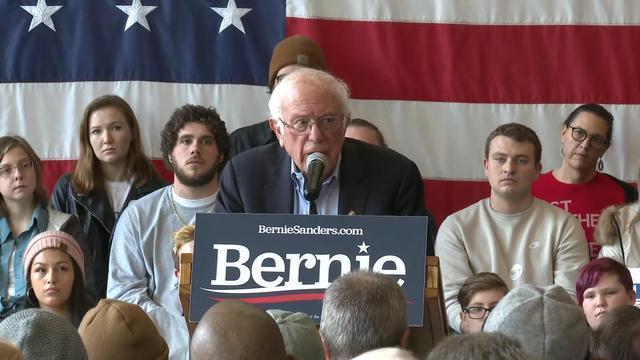
The 2020 Democratic presidential candidates condemned the killing of Soleimani, but some warned that the decision to assassinate him could lead to war. Nikole Killion reports.
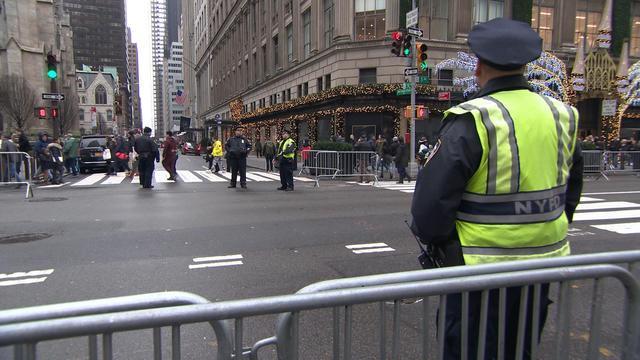
The Department of Homeland Security says it’s looking at potential new threats against the U.S. and that it "stands ready." Local police forces are also working to keep people safe. Kenneth Craig reports.
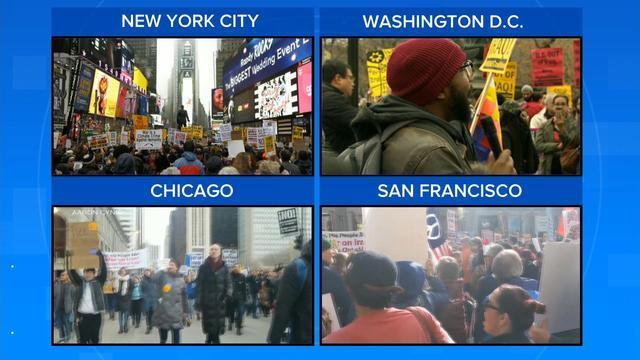
The White House has provided scant evidence for that Iranian military leader Qassam Soleimani was planning an attack and Democrats are demanding to see the intelligence behind the decision to take him out. Some Democrats insist the White House should have consulted Congress about a strike that could pull the U.S. into a war. Paula Reid reports.
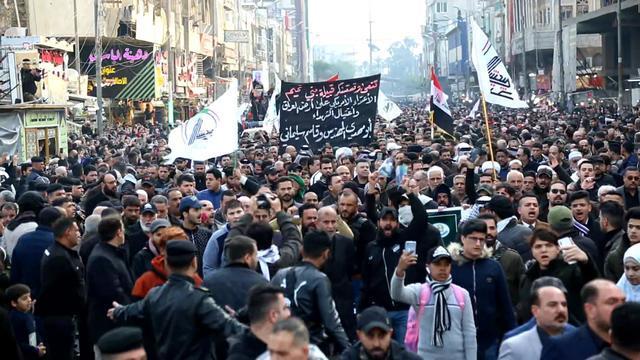
Thousands flooded the streets of Baghdad promising to carry on Qassem Soleimani's legacy. Iran's President Hassan Rouhani promised revenge, saying America "will see the consequences of their mistake not only today but in years to come." Ian Lee reports from Baghdad.
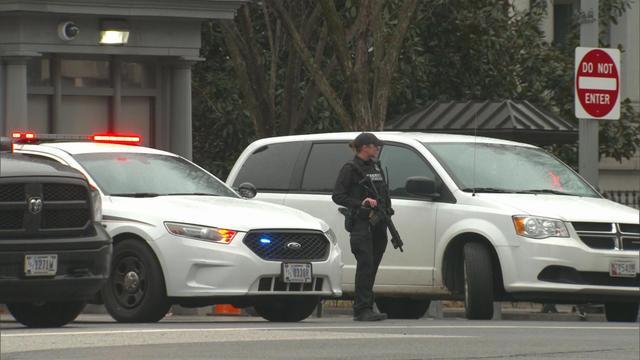
A high-ranking Iranian military official says Iran will punish Americans following the airstrike that killed Gen. Qassem Soleimani. U.S. military units are on high alert to protect some American embassies in Africa and the Middle East, while security measures are being increased across the country. Kenneth Craig reports.
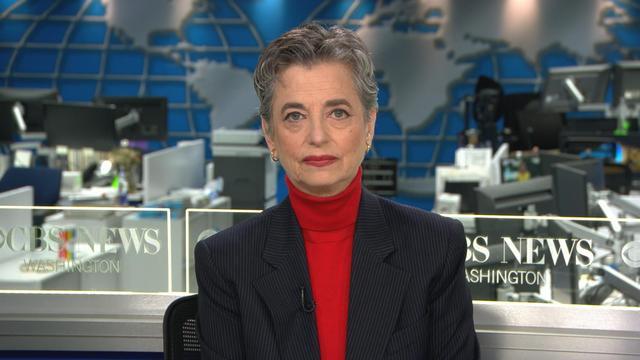
Journalist and Iran expert Barbara Slavin, director of the Atlantic Council's "Future of Iran" initiative, joined "CBS This Morning: Saturday" to discuss the ramifications of President Trump's decision to order an airstrike against Iranian General Qassem Soleimani, because of threatened attacks on Americans.
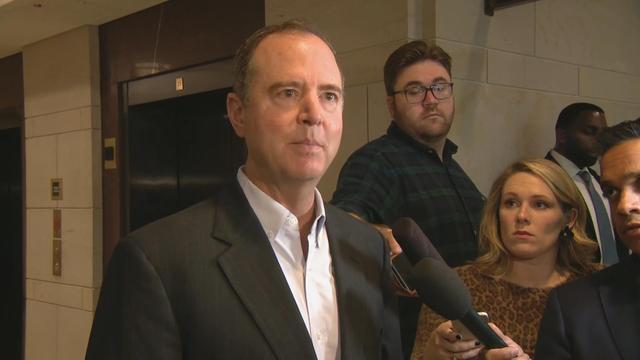
As President Trump explained his decision to order an airstrike against an Iranian general, some Democratic lawmakers complained the White House should have consulted Congress about the far-reaching decision. Paula Reid reports on the reactions in Washington and on the presidential campaign trail.
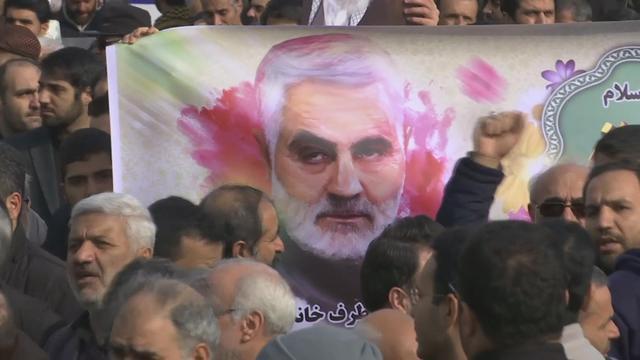
The world is now awaiting Iran's next move, following the U.S. airstrike that killed Gen. Qassem Soleimani, the head of Iran's elite Quds force. Ian Lee reports from Baghdad.
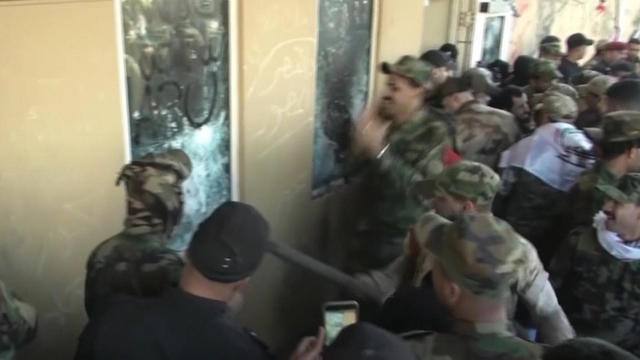
U.S. officials tracked Iranian military leader Qassem Soleimani before he was killed in Iraq. He had just landed in Baghdad on a trip intended to launch a campaign of attacks against Americans. David Martin reports.
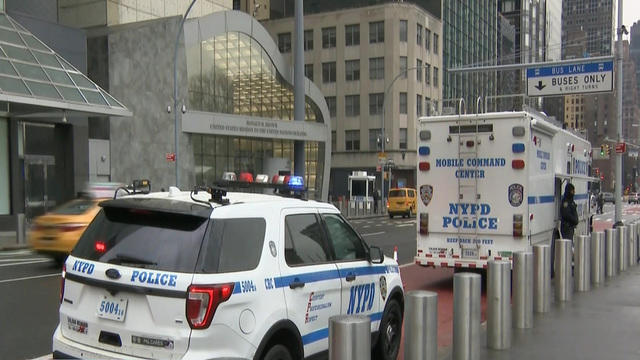
Iran's supreme leader is vowing revenge for the killing of his top general. It's a threat U.S. officials are taking seriously. Jeff Pegues reports.
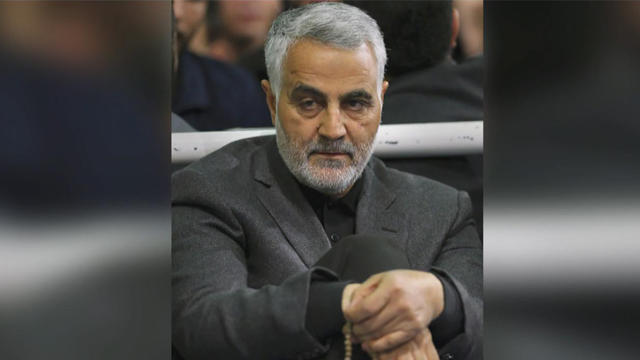
The latest escalation in tensions between the U.S. and Iran following the targeted killing of Qassem Soleimani comes after a series of skirmishes between the two countries in recent months. “Face The Nation” moderator Margaret Brennan joins “CBS This Morning” to discuss the ramifications of Soleimani's assassination.

The loss of Qassem Soleimani is a heavy blow to Iran. He was a war hero and the commander of Iran's feared Quds Force, responsible for secretive foreign operations. He wasn’t well-known in the U.S., but he was one of the most powerful figures in the Middle East, sometimes even touted as a possible future leader of Iran. Holly Williams reports from Iraq on what Soleimani's death means for the tensions between the U.S. and Iran.
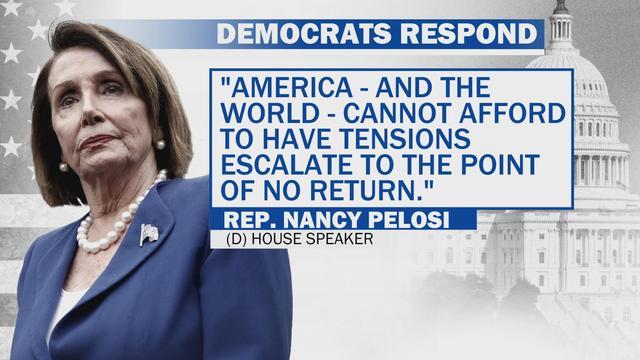
President Trump's decision to authorize the deadly strike on Qassem Soleimani faces criticism from Democrats on the campaign trail and in Congress. Ed O'Keefe reports on how lawmakers are responding from Capitol Hill.
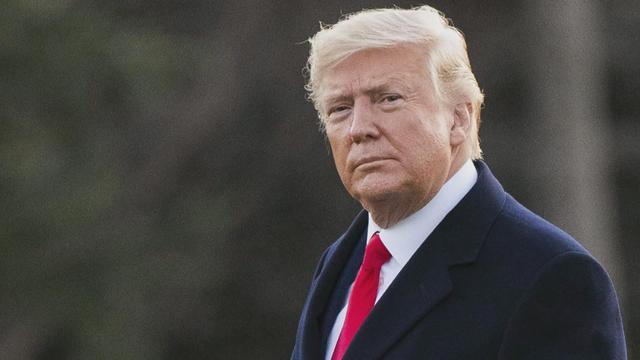
President Trump has not spoken directly about the killing of Qassem Soleimani, but he did tweet an image of an American flag afterward. The president has largely avoided intervention of this sort in favor of isolationist policies, as evidenced by his controversial decision to withdraw U.S. troops from Northern Syria just a few months ago. The move to assassinate Soleimani marks a critical 180-degree turn for the president, and it comes as he campaigns for re-election this year. Major Garrett reports from the White House.
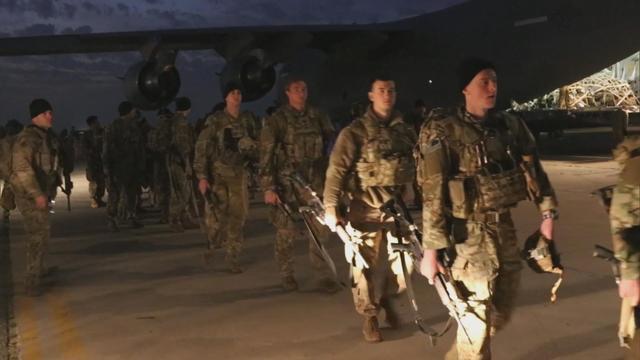
The death of Qassem Soleimani in Baghdad ignited a new chapter of regional tensions. Iran's Supreme Leader Ali Khamenei took to twitter, vowing severe revenge. The State Department issued an urgent warning overnight telling all Americans in Iraq to leave the country immediately. Ian Lee reports from Baghdad.
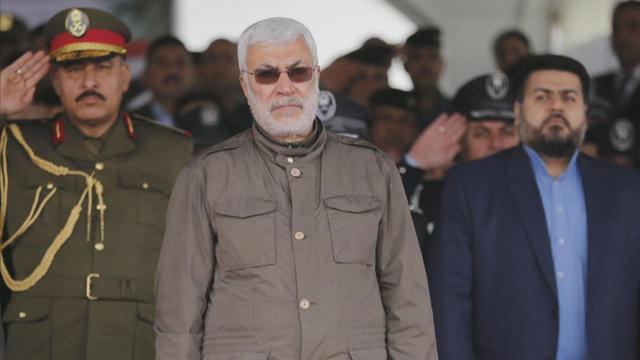
A U.S. airstrike killed one of Iran's most powerful military leaders overnight. The targeted killing of Major General Qassem Soleimani inside Iraq is a dramatic escalation in the confrontation between the U.S. and Iran. Video of the aftermath shows burning wreckage near Baghdad's airport. Soleimani led the powerful Quds Force of the Islamic Revolutionary Guards, blamed for killing hundreds of American troops. Iran said there will be a harsh response. David Martin reports from the Pentagon.
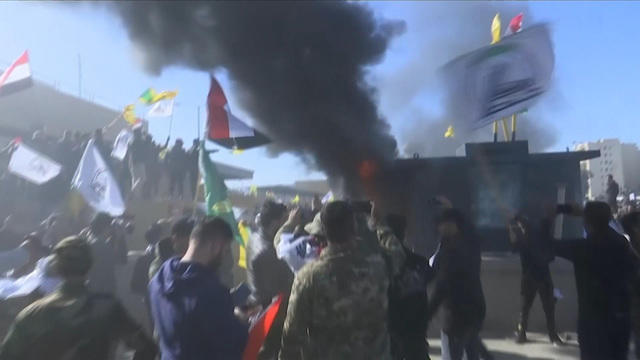
After an attack on the U.S. Embassy in Baghdad, Defense Secretary Mark Esper said the "game has changed." He warns if there are new attacks, the U.S. military will be ready. David Martin reports.
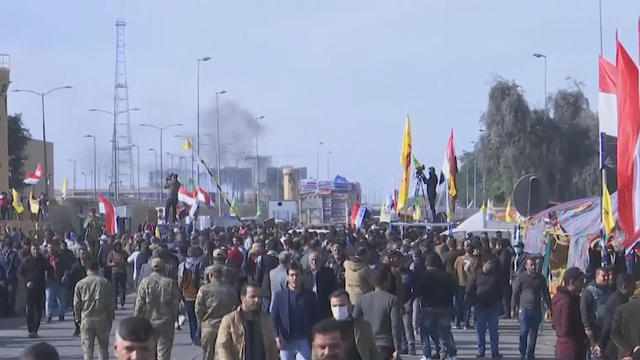
In Baghdad, security guards at the U.S. embassy fired on protesters who have the backing of Iran. But eventually, the protesters left. Ian Lee has the latest.
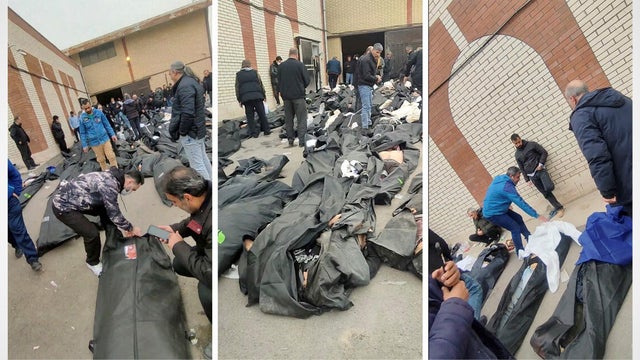
Information trickling out of Iran suggests a far deadlier crackdown on protesters than previously reported.
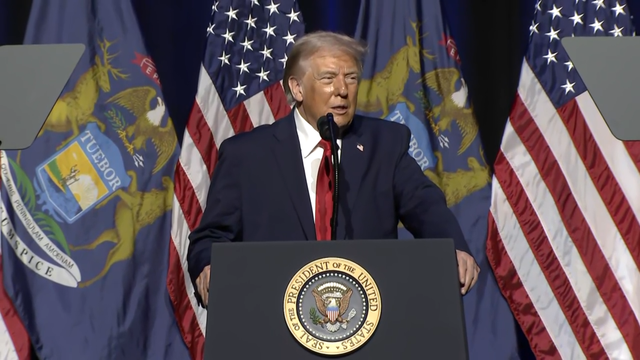
White House press secretary Karoline Leavitt said Monday that Mr. Trump would be "talking about all of the great economic news."

The Supreme Court heard two cases involving laws from Idaho and West Virginia that ban transgender athletes from participating in girls' and women's sports.

President Trump's plans to ease the financial pressures on Americans are bold but could backfire, experts said.
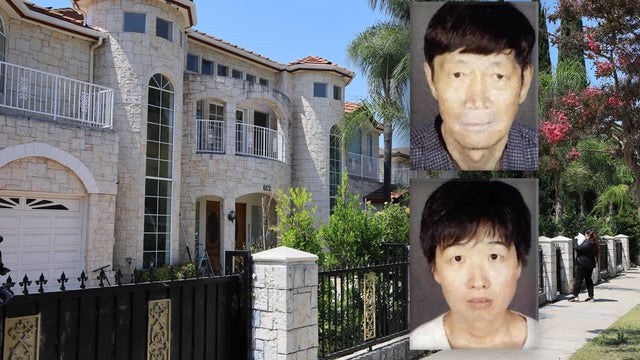
The couple had so many kids in their Los Angeles-area mansion a neighbor "thought it was a kindergarten." The investigation has only gotten stranger.

Scott Adams, the cartoonist who created the "Dilbert" comic strip, has died at the age of 68, his first ex-wife revealed on Tuesday.
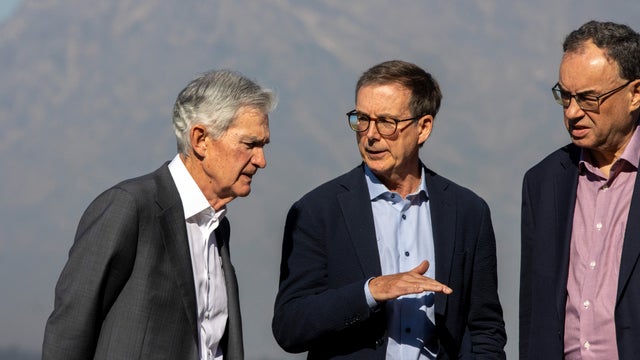
The heads of 10 central banks and other financial institutions say it's "critical to preserve" the Fed's independence, as Powell is pressured by the Trump administration.
At least six prosecutors, most of whom are supervisors in the Civil Rights Division's criminal section, will be leaving their jobs.
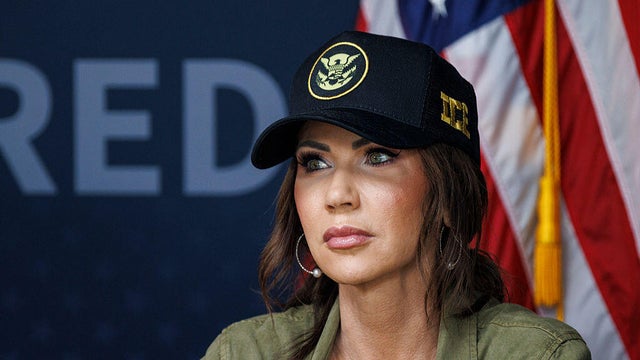
The U.S. government is revoking the legal status of several thousand immigrants from Somalia.