Forensic scientist in Brian Walshe trial says DNA on hatchet, hacksaw closely matches Ana Walshe's

A forensic scientist with the Massachusetts State Police Crime Lab said that DNA found on a hacksaw and hatchet closely matched that of Ana Walshe during testimony in the Brian Walshe murder trial on Tuesday.
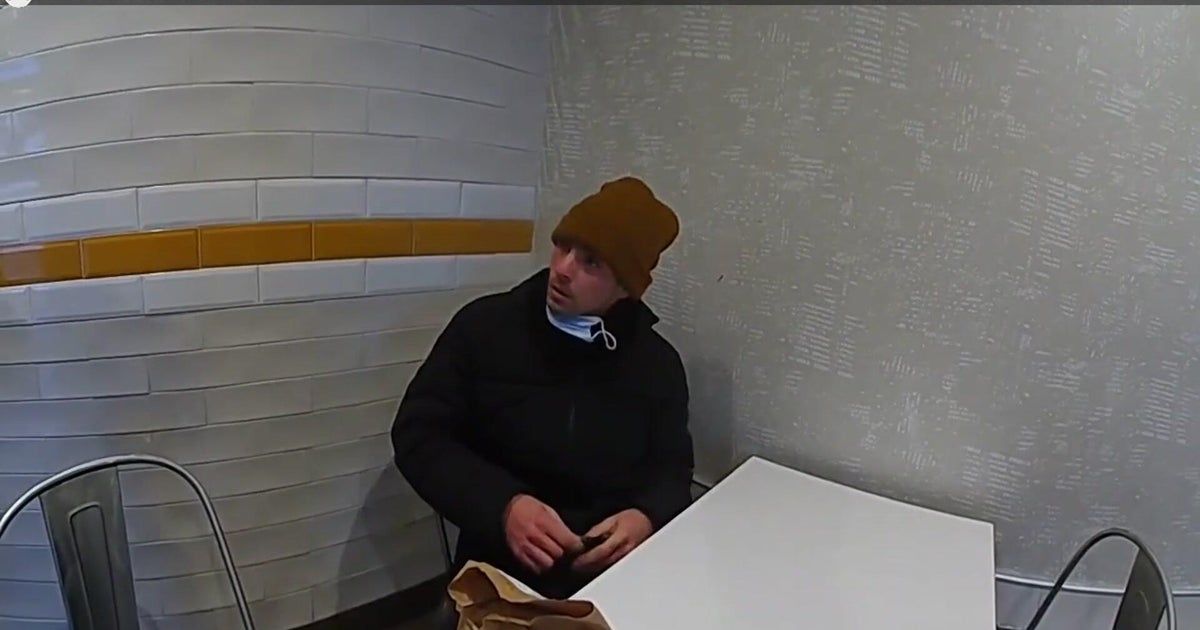
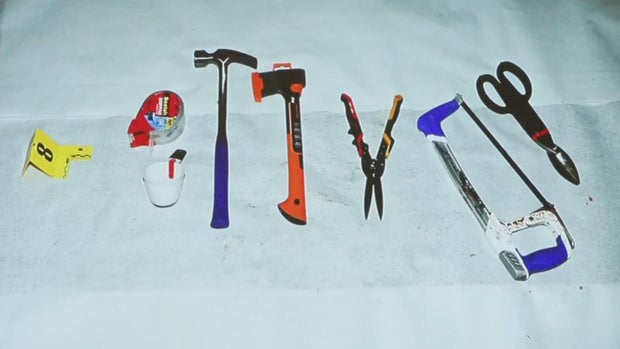
On Monday, jurors saw photographs of bloodstained tools as well as Walshe buying a hacksaw, hammer and various cleaning items at a Lowe's in Danvers on Jan. 1, 2023 - the day his wife, Ana Walshe, was last seen.
DNA found on hacksaw, hatchet
Saman Saleen with the State Police Crime Lab conducted DNA testing on various items such as stained slippers, a Tyvek suit, rugs, and more. During her testimony, Saleen said that DNA found on a specific stained area on the hacksaw blade was "30 nonillion times more likely if it originated from Ana Walshe." A nonillion is a number followed by 30 zeros.
Saleen also said that DNA from the hatchet head had closely matched that of Ana. The hatchet had been sent for DNA testing after Matthew Sheehan, with the State Police Crime Lab, noticed a greasy, oily substance on it. He explained in his testimony on Monday that when a hatchet is used on a person, it can leave behind fatty tissue substances.
Brian's DNA was excluded from a number of the items, including the hacksaw, bloody towels, and tissue.
A pair of stained slippers found in a trash bag was also the subject of testimony all day. Saleen said that the DNA found on the interior and exterior of the shoes closely matched that of both Ana and Brian. The defense argued that the slippers could have come into contact with other evidence inside the trash bag or had been part of evidence retrieval from a trash compactor. It is not known who wore the slippers.
"The DNA testing that we do cannot tell us when or how the DNA was deposited on an item," Saleen said.
Saleen was able to compare DNA found on the items to both Brian and Ana, using DNA samples obtained by the Federal Bureau of Investigation in 2018.
Several other forensic scientists from the Massachusetts State Police Crime Lab took the stand to testify about the different pieces of evidence that they worked with.
Blood found in Walshe home
Sheehan testified Monday that when investigators searched the Walshe home on Jan. 8, they found several bottles of hydrogen peroxide and a knife. Sheehan said the knife tested positive for blood, as did stains discovered in the basement.
The defense countered that there was no way of knowing how the blood stains in the basement got there, and noted there was no evidence of blood found in the couple's bedroom or bathrooms near the bedroom.
Sheehan confirmed during cross-examination on Tuesday that he had only found blood stains in the basement of the home.
"There was nothing in this home that you're aware of that could be described as blood spatter?" defense attorney Larry Tipton asked. "That is correct," Sheehan answered.
Ana's DNA was also connected to those stains in the basement. He said that hydrogen peroxide, bleach, water, and extreme heat could interfere with his ability to find blood.
"We all see these shows where they can get a blood sample and a DNA sample off of the smallest, tiniest microscopic piece that's not real life," WBZ-TV legal analyst Jennifer Roman said.
The day ended with surveillance videos of Walshe at HomeGoods and Marshalls in the days following Ana's disappearance. Gem Mutlu, who spent New Year's Eve with the couple, is expected to take the stand on Wednesday.
Ana Walshe's death
During cross-examination on Monday, the defense attempted to make its case to the jury that her death could have been due to natural causes.
"People can experience sudden, unexpected death as a result of a neurological cause where they have, up to that point, not manifested any physical manifestation of illness, correct?" defense attorney Larry Tipton asked.
"Correct," Richard Atkinson with the Medical Examiner's office responded.
Tipton also asked one of Ana Walshe's coworkers if she was aware that in October 2022, there was a Legionnaire's Disease issue raised by the Department of Health at one of the buildings she managed. Theresa Marchese said she knew there was a health issue at the building, but did not know if Ana Walshe was physically at the building when it happened.
Who is Brian Walshe?
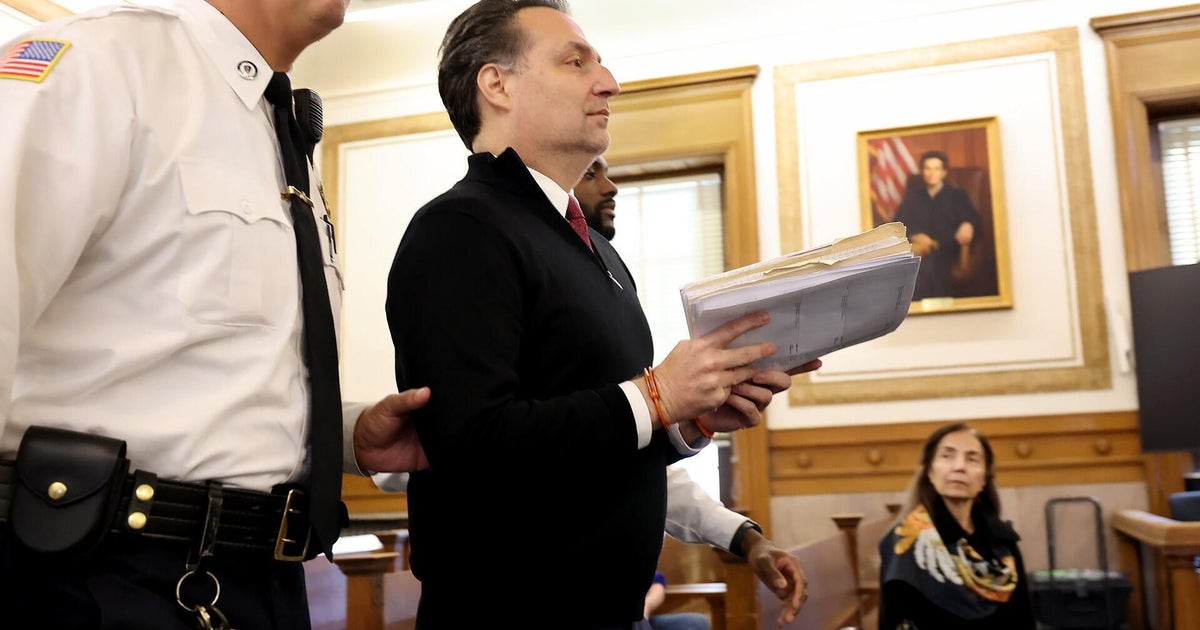
Brian Walshe, 50, has pleaded not guilty to first-degree murder. He faces life in prison without parole if convicted.
Just before the trial started, he did plead guilty to charges of misleading police and improperly disposing of a body. His defense claims he found his wife dead in bed after a New Year's Eve party.
Prosecutors allege that Walshe killed and dismembered his wife, pointing to gruesome online searches allegedly made around the time of her death.. Her body has never been found.