Rewind
Hurricane Katrina | 60 Minutes Archive
Scott Pelley visited New Orleans in 2005 just days after Hurricane Katrina hit and found a city in crisis.
Watch CBS News
Scott Pelley visited New Orleans in 2005 just days after Hurricane Katrina hit and found a city in crisis.

In 2013, 60 Minutes Sports looked back at Secretariat's historic Triple Crown victory 40 years earlier. Morley Safer spoke with the racehorse's owner, Penny Chenery, who passed away in 2017, and Hall of Fame rider Ron Turcotte, who died Friday at the age of 84.

In 2023, artificial intelligence pioneer Geoffrey Hinton shared his thoughts on AI's benefits and dangers with Scott Pelley, warning that there was no guaranteed path to safety as AI advanced.

It's been 80 years since the first atomic bombs were dropped on Hiroshima and Nagasaki. Thirty years after the bombings, Morley Safer visited Japan to see what had become of the cities.
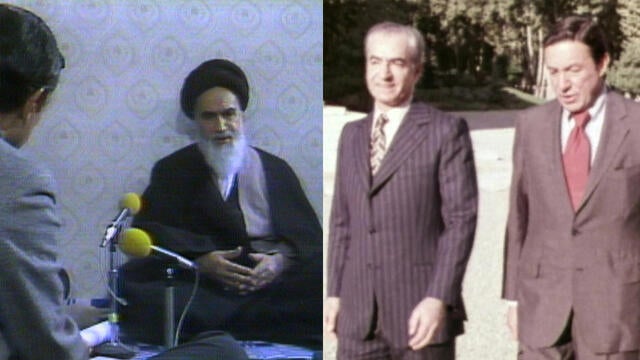
These three 60 Minutes stories illustrate how revolutionary powers came to be and help explain the current day conflict in Iran. From 1974 and 1976, Mike Wallace's interviews with the Shah of Iran Mohammed Reza Pahlavi. And from 1979, Wallace's interview with Iran's Ayatollah Khomeini, just weeks after the Iran Hostage Crisis began.

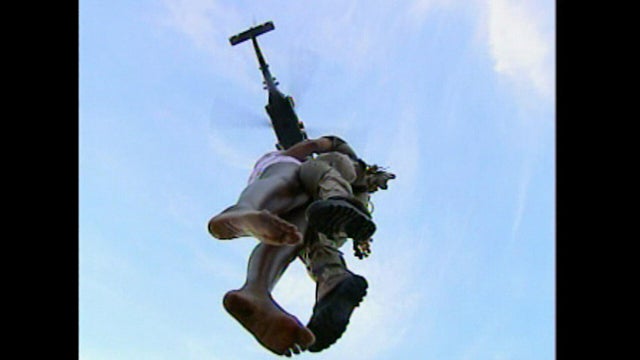
In 2013, 60 Minutes' correspondent Bob Simon reported on the extreme sport of free diving, in which divers descend hundreds of feet down into the sea on one single breath.
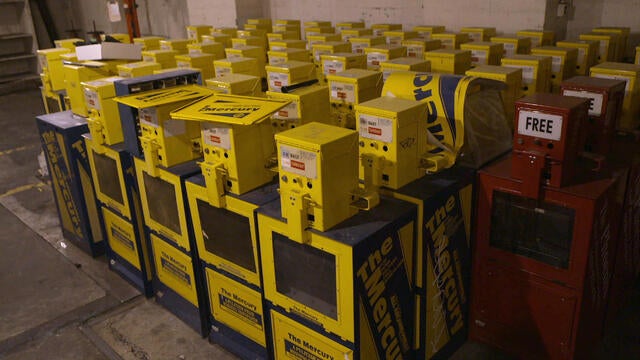
In 2022, when 60 Minutes reported on the decline of small-town newspapers, Jon Wertheim met Stewart Bainum, who was in the process of launching The Baltimore Banner. This week, the paper won a Pulitzer Prize in collaboration with the New York Times for local reporting on the fentanyl crisis.
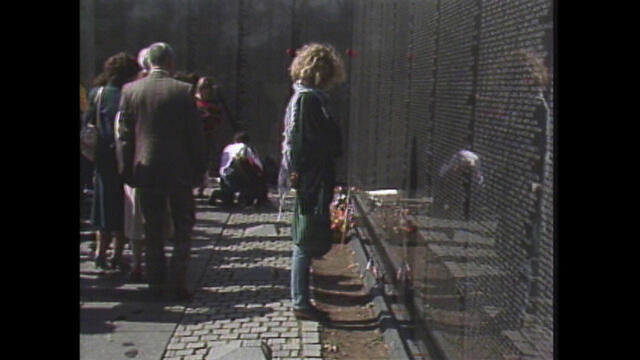
In 1987, 60 Minutes' Ed Bradley reported on the popularity of a course about the Vietnam War at UC Santa Barbara, where students often heard directly from veterans who shared their experiences.
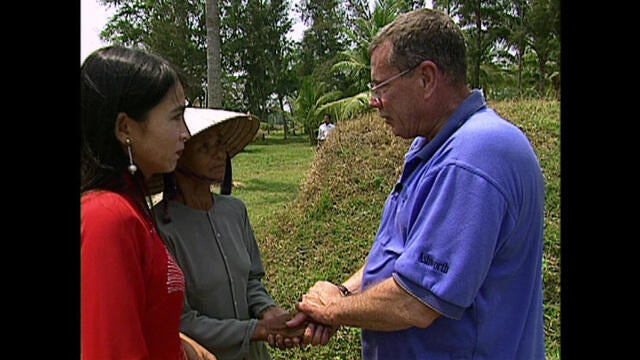
In 2004, Mike Wallace interviewed Larry Colburn and Hugh Thompson, members of an American helicopter crew who were credited with saving Vietnamese civilians during the 1968 My Lai massacre, which killed more than 500 unarmed civilians. In 1998, 60 Minutes first returned to Vietnam with Colburn and Thompson, where they met some of the people they rescued in My Lai.

In 2019, 60 Minutes reported on an NIH clinical trial using an innovative type of gene therapy to attempt to locate and fix the genes responsible for sickle cell anemia.

These seven siblings, all under the age of 30, have made a name for themselves in the world of classical music.
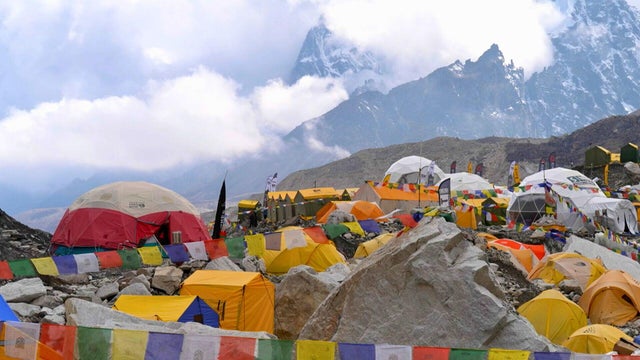
Everest Base Camp has become a tourist destination. It's a long trek for a coveted summit selfie.
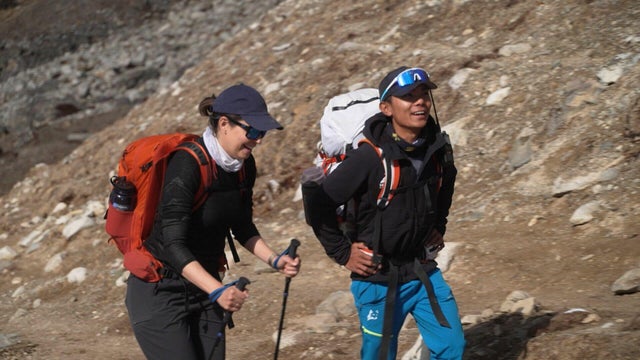
Sherpas are the porters and guides who risk their lives to help others reach the summit of Everest, often with little recognition. A new generation is hoping to change that.
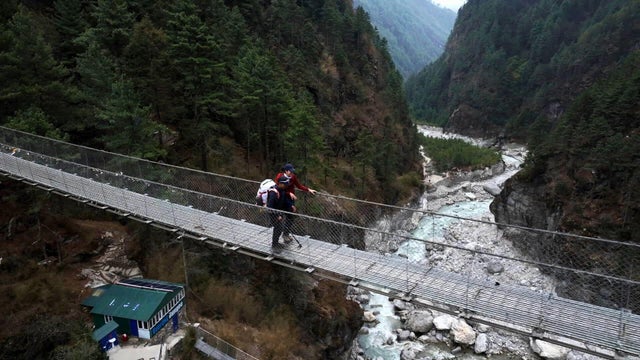
Every year, thousands of people trek to Everest Base Camp in Nepal. This past spring, 60 Minutes joined them on a 10-day hike, sometimes crawling and often barely breathing.
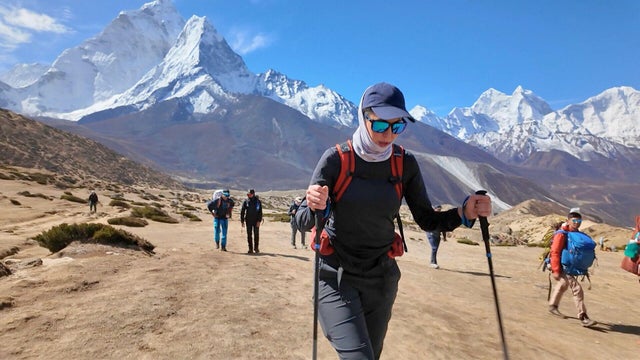
Sherpas navigate extreme conditions and treacherous pathways as they act as porters and guides for climbers summiting Everest. They put their lives on the line, often with little recognition.

The Kanneh-Mason family boasts seven classically trained musicians, each under the age of 30. The siblings have toured the world and recorded chart-topping albums.
The Kanneh-Mason family boasts seven classically trained musicians, each under the age of 30. The siblings have toured the world and recorded chart-topping albums.
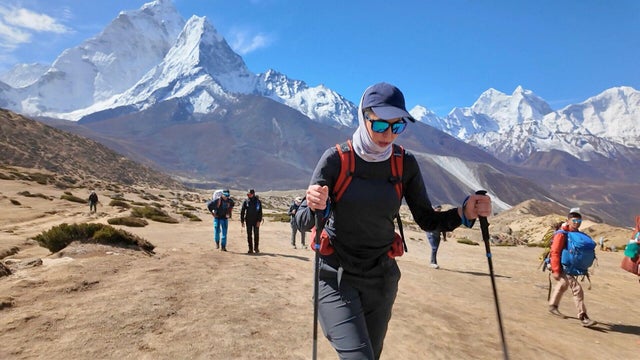
Sherpas navigate extreme conditions and treacherous pathways as they act as porters and guides for climbers summiting Everest. They put their lives on the line, often with little recognition.

The upcoming celebration of the 250th anniversary of the Declaration of Independence is a time to take stock and see if the U.S. is living up to the revolutionary ideals the country was founded upon.
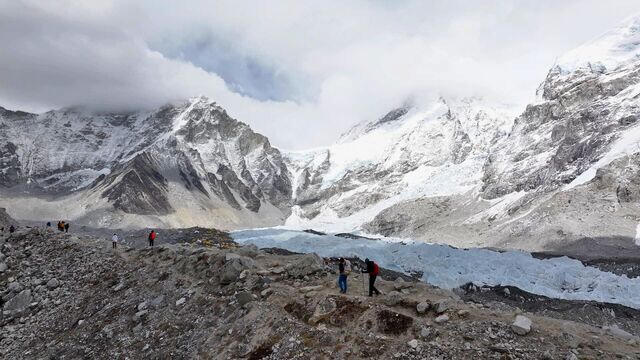
First, a report on Sherpas risking their lives to help climbers reach Everest's summit. Then, the Kanneh-Masons: Meet the musical siblings.