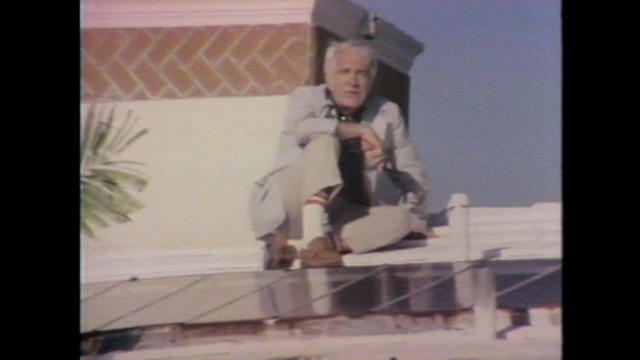
60 Minutes' first report on solar energy
More than four decades ago, 60 Minutes reported, "Solar energy may be an idea whose time has come for all of us." Today, the Bahamas is turning to solar arrays to restore power after Hurricane Dorian
Watch CBS News
More than four decades ago, 60 Minutes reported, "Solar energy may be an idea whose time has come for all of us." Today, the Bahamas is turning to solar arrays to restore power after Hurricane Dorian
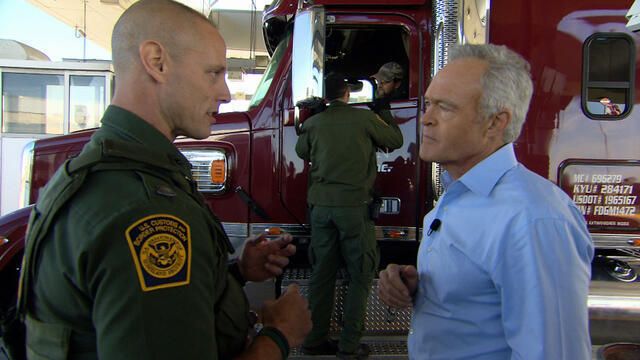
From 2018, Scott Pelley's report on illegal immigrants, in the hands of professional smugglers, trapped in a system of cruelty, neglect, and death.

Egil Krogh, a member of Nixon’s White House Plumbers who testified before the Watergate Senate subcommittee, gave his first television interview to Mike Wallace in 1974.

The day after the House Judiciary Committee voted on an article of impeachment against President Richard Nixon, the president’s chief of staff spoke to 60 Minutes.

Alexander Butterfield stunned the nation when he told the Watergate Senate subcommittee that President Nixon had tape-recorded conversations in the Oval Office. In 1975 was interviewed by 60 Minutes correspondent Mike Wallace.

Following the 1972 break-in into Democratic Headquarters at the Watergate complex, 60 Minutes interviewed many people who became central to the break-in and the subsequent cover-up.

In June 1973, Nixon advisor John Ehrlichman told 60 Minutes the White House had “no interest” in covering up the Watergate break-in because “it had no exposure.” Ehrlichman served 18 months in prison for his role in the cover-up.
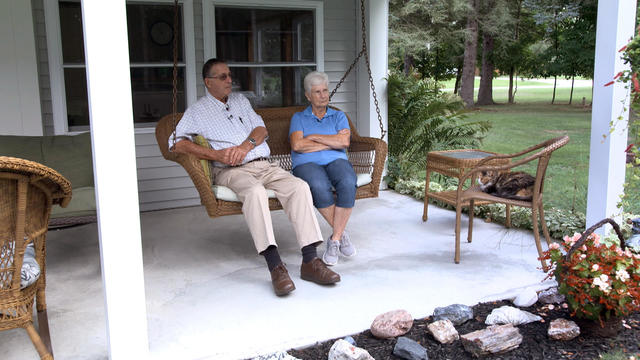
The retired couple who won millions after finding a mathematical loophole in the lottery first spoke with 60 Minutes in 2019.

From 2019, Jon Wertheim’s report on Jerry and Marge Selbee, a retired Michigan couple who made $26 million using "basic arithmetic" to crack the code on certain lottery games
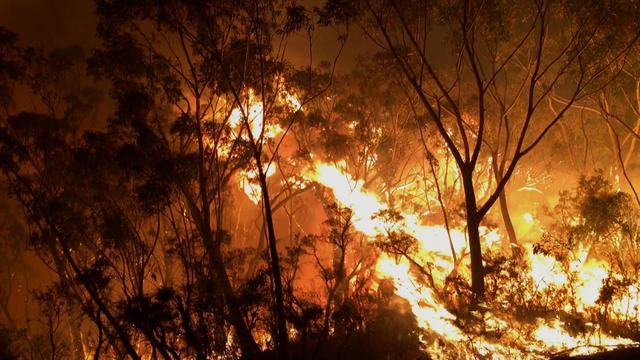
Rising seas, raging fires, more powerful hurricanes—as the climate changes, so do many facets of life. A look at how 60 Minutes has documented the transformation.

These seven siblings, all under the age of 30, have made a name for themselves in the world of classical music.

Everest Base Camp has become a tourist destination. It's a long trek for a coveted summit selfie.
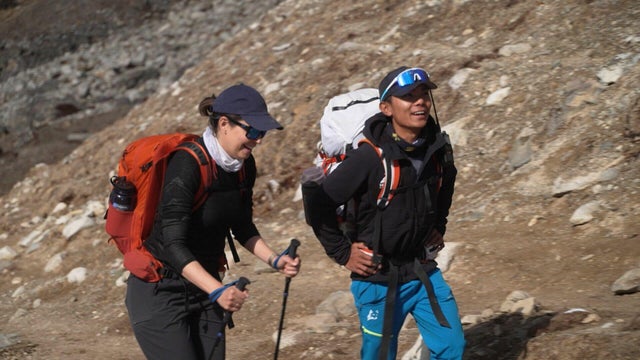
Sherpas are the porters and guides who risk their lives to help others reach the summit of Everest, often with little recognition. A new generation is hoping to change that.

Every year, thousands of people trek to Everest Base Camp in Nepal. This past spring, 60 Minutes joined them on a 10-day hike, sometimes crawling and often barely breathing.
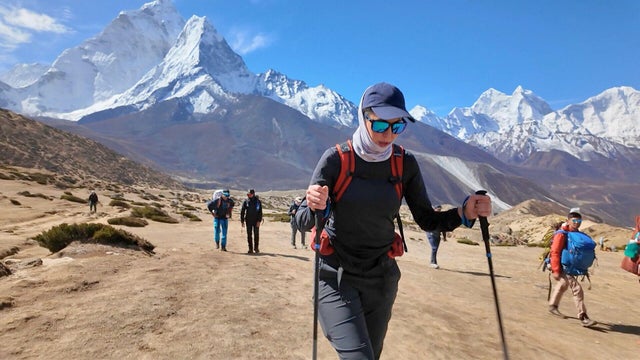
Sherpas navigate extreme conditions and treacherous pathways as they act as porters and guides for climbers summiting Everest. They put their lives on the line, often with little recognition.

The Kanneh-Mason family boasts seven classically trained musicians, each under the age of 30. The siblings have toured the world and recorded chart-topping albums.
The Kanneh-Mason family boasts seven classically trained musicians, each under the age of 30. The siblings have toured the world and recorded chart-topping albums.
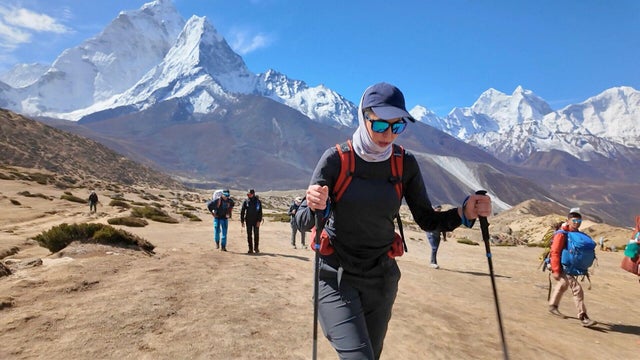
Sherpas navigate extreme conditions and treacherous pathways as they act as porters and guides for climbers summiting Everest. They put their lives on the line, often with little recognition.

The upcoming celebration of the 250th anniversary of the Declaration of Independence is a time to take stock and see if the U.S. is living up to the revolutionary ideals the country was founded upon.
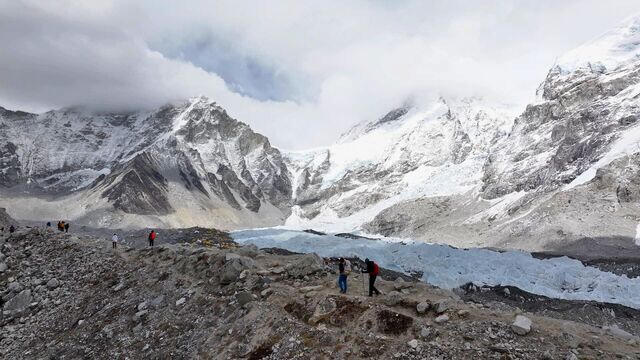
First, a report on Sherpas risking their lives to help climbers reach Everest's summit. Then, the Kanneh-Masons: Meet the musical siblings.